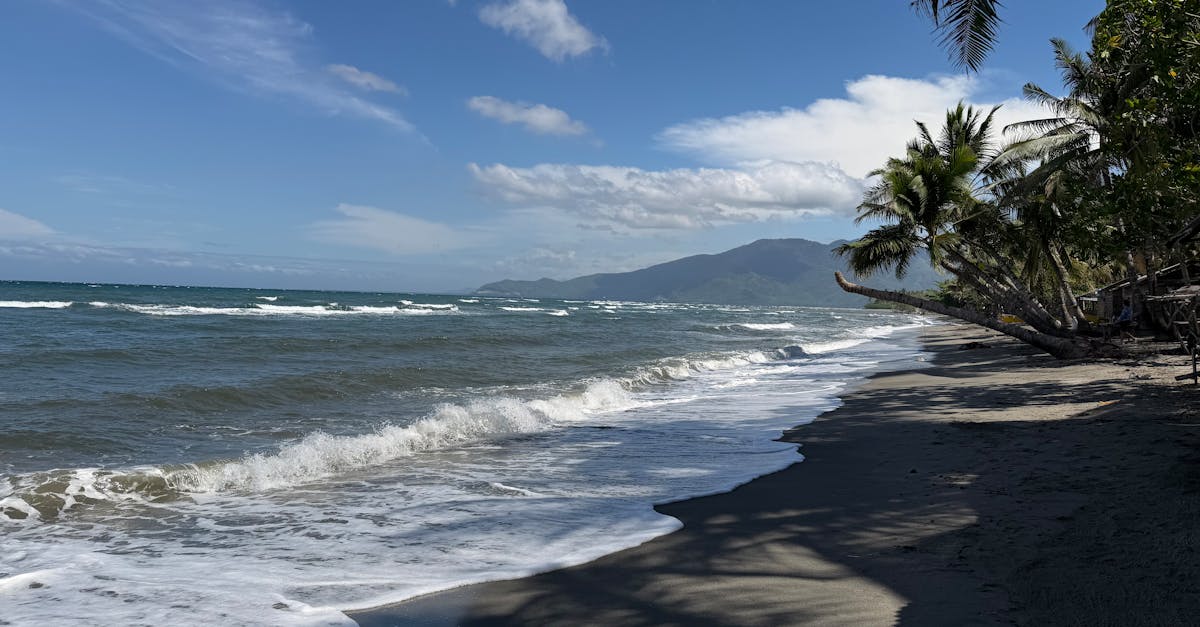
Serene tropical beach with palm trees and gentle waves under a bright blue sky.
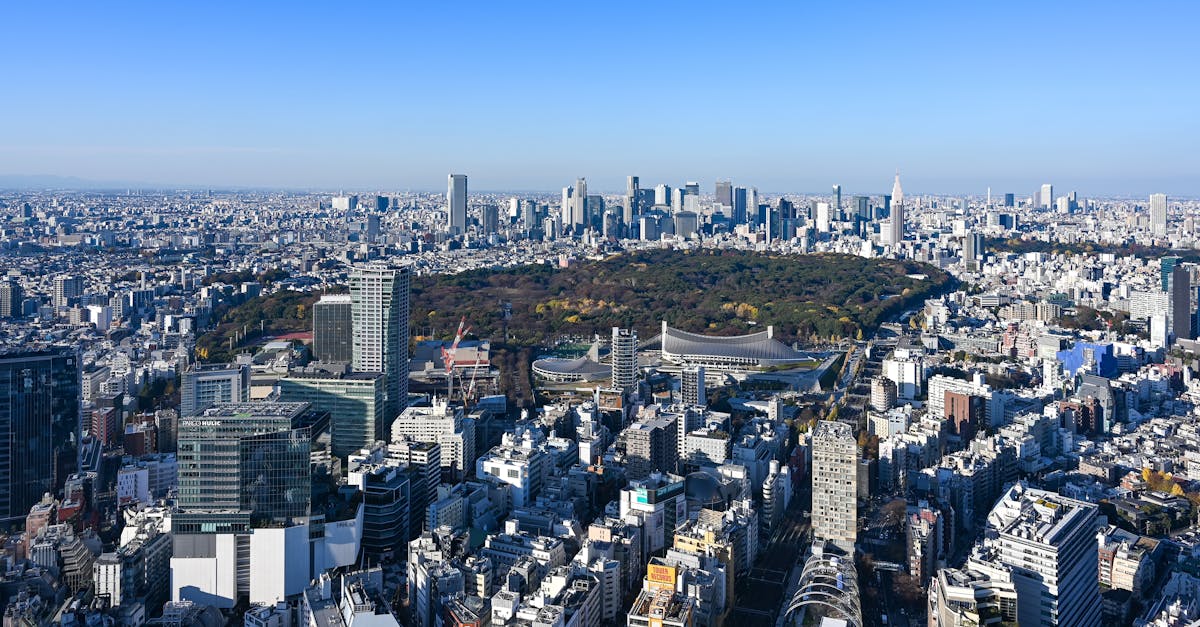
Aerial view of Tokyo cityscape featuring Shinjuku Park surrounded by skyscrapers under a clear blue sky.
PH flag
PH
JP
JP flag

Photos: Frances Lapid, Laser Cheung · Pexels

Can a Filipino traveller work in Japan?

Most Filipino travellers go through the embassy or consulate before they travel when heading to Japan for work.

The route most travellers use is the Specified Skilled Worker (i). Stays of up to 1825 days, expect to pay around ¥40 in mandatory fees, processing usually takes 30–90 days.

The paperwork is heavy — approval is likely if your documents are in order.

4 other routes sit below if this one doesn't fit.

Straight from ssw.go.jp.

Work visas have major life consequences.

Long-stay visa decisions affect your right to live, work, study, or remain with family. Always verify with a qualified immigration adviser or the destination's embassy before making travel, employment, or relocation decisions.

5 options available — review and choose the one that matches your trip.

Embassy visaWork

Specified Skilled Worker (i)

Max stay
1825days
Processing
30–90days
Fee
¥40≈ $25.46
Difficulty1/10·Realism8/10
Why? ▾

Difficulty

Heavy paperwork
1/10

Lots of documentation, eligibility thresholds, or a sponsor required. Start months ahead and consider professional advice.

Why this score?
  • Embassy/consulate visa application
  • -2Long processing time (up to 90 days)
  • -0.5Moderate documentation list (5 items)
  • -1.5Sponsor licence required
  • -1Confirmed job offer required

Approval realism

Approval is likely
8/10

Most applicants with the right paperwork get approved.

What drives this score?
  • Embassy visa applications generally succeed when documentation is complete and ties to home are clear
  • +0.5Once a sponsor + job offer are secured, visa approval is generally routine

Work visa details

Sponsorship
Required
Sponsor type
Licensed employer
Job offer
Required
Permit length
1825 days
Path to settlement
No

Eligible occupations (sample)

Care worker / nursingBuilding cleaningManufacturing (industrial machinery, electronics, materials)ConstructionShipbuilding & ship machineryAutomobile maintenanceAviation industryAccommodationAgricultureFisheryFood and beverages manufacturingFood service+3 more
Step-by-step checklist

Your application checklist

  1. 1

    Check your passport validity

    165+ days before

    Most countries require 6+ months of validity beyond your travel dates and at least one blank page. If it's close, renew before applying.

  2. 2

    Gather supporting documents

    149+ days before

    You'll need: Pass the relevant Specified Skill Evaluation Test for the target sector; Pass a Japanese Language Proficiency Test (JLPT N4 or JFT-Basic A2); Sign an employment contract with a Japanese host organisation; Pass a medical examination; and others (see full list above).

  3. 3

    Submit the application to the embassy or consulate

    135+ days before

    In person at the consulate with jurisdiction over your residence. Bring originals + photocopies of every document. Most consulates require a prior appointment.

  4. 4

    Track the application; print the approval

    7+ days before

    Decisions typically take 30–90 days. Print or save a clear PDF of the approved visa — airlines check this at check-in.

  5. 5

    On the day of travel

    day of travel

    Carry: passport (printed visa if applicable), onward ticket, proof of accommodation, proof of funds, travel insurance. Border officers retain discretion regardless of visa status.

Show full requirements, fees, and source
Passport valid 6+ months

What you need

  • Pass the relevant Specified Skill Evaluation Test for the target sector
  • Pass a Japanese Language Proficiency Test (JLPT N4 or JFT-Basic A2)
  • Sign an employment contract with a Japanese host organisation
  • Pass a medical examination
  • Receive a Certificate of Eligibility (COE) issued by the Immigration Services Agency

Fee breakdown

  • Visa issuance fee¥40≈ $25.46
View primary source (ssw.go.jp)
Embassy visaWork

J-Skip — Special Highly Skilled Professional

Max stay
1825days
Processing
30–90days
Fee
¥4,000≈ $2,546
Difficulty3/10·Realism7/10
Why? ▾

Difficulty

Heavy paperwork
3/10

Lots of documentation, eligibility thresholds, or a sponsor required. Start months ahead and consider professional advice.

Why this score?
  • Embassy/consulate visa application
  • -2Long processing time (up to 90 days)
  • -0.5Proof of funds required

Approval realism

Approval depends on you
7/10

Approval depends heavily on the documents and circumstances you can show. Read the warning above — it points to what tends to move the needle.

What drives this score?
  • Embassy visa applications generally succeed when documentation is complete and ties to home are clear
Step-by-step checklist

Your application checklist

  1. 1

    Check your passport validity

    165+ days before

    Most countries require 6+ months of validity beyond your travel dates and at least one blank page. If it's close, renew before applying.

  2. 2

    Gather supporting documents

    149+ days before

    You'll need: EITHER annual salary ≥ ¥20M with a master's degree (research / education / specialized employment); OR annual salary ≥ ¥40M (regardless of academic qualifications); Active employment contract or business activity in Japan; Eligible for permanent residency after 1 year of activity (vs. typical 10 years).

  3. 3

    Prepare proof of funds

    149+ days before

    Bank statements covering 3–6 months are standard. Include both savings and recent income flow — adjudicators look for stability, not just balance.

  4. 4

    Submit the application to the embassy or consulate

    135+ days before

    In person at the consulate with jurisdiction over your residence. Bring originals + photocopies of every document. Most consulates require a prior appointment.

  5. 5

    Track the application; print the approval

    7+ days before

    Decisions typically take 30–90 days. Print or save a clear PDF of the approved visa — airlines check this at check-in.

  6. 6

    On the day of travel

    day of travel

    Carry: passport (printed visa if applicable), onward ticket, proof of accommodation, proof of funds, travel insurance. Border officers retain discretion regardless of visa status.

Show full requirements, fees, and source
Passport valid 6+ monthsProof of funds

What you need

  • EITHER annual salary ≥ ¥20M with a master's degree (research / education / specialized employment)
  • OR annual salary ≥ ¥40M (regardless of academic qualifications)
  • Active employment contract or business activity in Japan
  • Eligible for permanent residency after 1 year of activity (vs. typical 10 years)

Fee breakdown

  • Certificate of Eligibility issuance fee¥4,000≈ $2,546
View primary source (moj.go.jp)
Embassy visaWork

J-Find — Future Creation Individual (job-search visa)

Max stay
730days
Processing
30–60days
Fee
¥4,000≈ $2,546
Difficulty3/10·Realism7/10
Why? ▾

Difficulty

Heavy paperwork
3/10

Lots of documentation, eligibility thresholds, or a sponsor required. Start months ahead and consider professional advice.

Why this score?
  • Embassy/consulate visa application
  • -2Long processing time (up to 60 days)
  • -0.5Proof of funds required

Approval realism

Approval depends on you
7/10

Approval depends heavily on the documents and circumstances you can show. Read the warning above — it points to what tends to move the needle.

What drives this score?
  • Embassy visa applications generally succeed when documentation is complete and ties to home are clear
Step-by-step checklist

Your application checklist

  1. 1

    Check your passport validity

    120+ days before

    Most countries require 6+ months of validity beyond your travel dates and at least one blank page. If it's close, renew before applying.

  2. 2

    Gather supporting documents

    104+ days before

    You'll need: Graduated from a top-100-ranked university (QS / THE / Shanghai rankings) within the past 5 years; Sufficient funds to support yourself during the job search (typically ¥200,000+ initial savings); Travel insurance for the full duration; Free to job-hunt + work part-time while looking for full-time work.

  3. 3

    Prepare proof of funds

    104+ days before

    Bank statements covering 3–6 months are standard. Include both savings and recent income flow — adjudicators look for stability, not just balance.

  4. 4

    Submit the application to the embassy or consulate

    90+ days before

    In person at the consulate with jurisdiction over your residence. Bring originals + photocopies of every document. Most consulates require a prior appointment.

  5. 5

    Track the application; print the approval

    7+ days before

    Decisions typically take 30–60 days. Print or save a clear PDF of the approved visa — airlines check this at check-in.

  6. 6

    On the day of travel

    day of travel

    Carry: passport (printed visa if applicable), onward ticket, proof of accommodation, proof of funds, travel insurance. Border officers retain discretion regardless of visa status.

Show full requirements, fees, and source
Passport valid 6+ monthsProof of funds

What you need

  • Graduated from a top-100-ranked university (QS / THE / Shanghai rankings) within the past 5 years
  • Sufficient funds to support yourself during the job search (typically ¥200,000+ initial savings)
  • Travel insurance for the full duration
  • Free to job-hunt + work part-time while looking for full-time work

Fee breakdown

  • Certificate of Eligibility issuance fee¥4,000≈ $2,546
View primary source (moj.go.jp)
Embassy visaWork

Engineer / Specialist in Humanities / International Services — Japan

Max stay
1825days
Processing
30–90days
Fee
¥4,000≈ $2,546
Difficulty2/10·Realism7/10
Why? ▾

Difficulty

Heavy paperwork
2/10

Lots of documentation, eligibility thresholds, or a sponsor required. Start months ahead and consider professional advice.

Why this score?
  • Embassy/consulate visa application
  • -2Long processing time (up to 90 days)
  • -1Long documentation list (7 items)

Approval realism

Approval depends on you
7/10

Approval depends heavily on the documents and circumstances you can show. Read the warning above — it points to what tends to move the needle.

What drives this score?
  • Embassy visa applications generally succeed when documentation is complete and ties to home are clear
Step-by-step checklist

Your application checklist

  1. 1

    Check your passport validity

    165+ days before

    Most countries require 6+ months of validity beyond your travel dates and at least one blank page. If it's close, renew before applying.

  2. 2

    Gather supporting documents

    149+ days before

    You'll need: Job offer from a Japanese employer in a qualifying role: engineering, IT, science, accountancy, law, translation, marketing, design, education; Bachelor's degree OR 10 years relevant work experience (3 years for translation/interpretation/design); Salary comparable to a Japanese national in the same role; Certificate of Eligibility (COE) issued by Japanese immigration — employer typically sponsors; and others (see full list above).

  3. 3

    Submit the application to the embassy or consulate

    135+ days before

    In person at the consulate with jurisdiction over your residence. Bring originals + photocopies of every document. Most consulates require a prior appointment.

  4. 4

    Track the application; print the approval

    7+ days before

    Decisions typically take 30–90 days. Print or save a clear PDF of the approved visa — airlines check this at check-in.

  5. 5

    On the day of travel

    day of travel

    Carry: passport (printed visa if applicable), onward ticket, proof of accommodation, proof of funds, travel insurance. Border officers retain discretion regardless of visa status.

Show full requirements, fees, and source
Passport valid 6+ months

What you need

  • Job offer from a Japanese employer in a qualifying role: engineering, IT, science, accountancy, law, translation, marketing, design, education
  • Bachelor's degree OR 10 years relevant work experience (3 years for translation/interpretation/design)
  • Salary comparable to a Japanese national in the same role
  • Certificate of Eligibility (COE) issued by Japanese immigration — employer typically sponsors
  • Apply at the Japanese embassy / consulate in your home country once COE issued
  • Periods of stay: 3 months, 1, 3, or 5 years (5 years for senior / experienced applicants)
  • Spouse + children eligible for Dependent visa

Fee breakdown

  • Visa issuance fee¥4,000≈ $2,546
View primary source (moj.go.jp)
Embassy visaWork

Business Manager Visa — Japan

Max stay
1825days
Processing
60–180days
Fee
¥4,000≈ $2,546
Difficulty2/10·Realism7/10
Why? ▾

Difficulty

Heavy paperwork
2/10

Lots of documentation, eligibility thresholds, or a sponsor required. Start months ahead and consider professional advice.

Why this score?
  • Embassy/consulate visa application
  • -2Long processing time (up to 180 days)
  • -0.5Proof of funds required
  • -0.5Proof of accommodation required
  • -0.5Moderate documentation list (6 items)

Approval realism

Approval depends on you
7/10

Approval depends heavily on the documents and circumstances you can show. Read the warning above — it points to what tends to move the needle.

What drives this score?
  • Embassy visa applications generally succeed when documentation is complete and ties to home are clear
Step-by-step checklist

Your application checklist

  1. 1

    Check your passport validity

    300+ days before

    Most countries require 6+ months of validity beyond your travel dates and at least one blank page. If it's close, renew before applying.

  2. 2

    Gather supporting documents

    284+ days before

    You'll need: Establish a business in Japan with ¥5 million+ paid-in capital OR 2+ full-time employees who are Japanese / PR holders; Physical office space in Japan (not a virtual / co-working address for first-time applicants); Detailed business plan demonstrating viability; Manage or operate the business in Japan as Director / Executive; and others (see full list above).

  3. 3

    Prepare proof of funds

    284+ days before

    Bank statements covering 3–6 months are standard. Include both savings and recent income flow — adjudicators look for stability, not just balance.

  4. 4

    Book refundable flight + accommodation

    277+ days before

    Use a refundable booking (or a free hold/itinerary service) until your visa is approved — embassies want to see real plans, but you don't want to lose the money on a refusal.

  5. 5

    Submit the application to the embassy or consulate

    270+ days before

    In person at the consulate with jurisdiction over your residence. Bring originals + photocopies of every document. Most consulates require a prior appointment.

  6. 6

    Track the application; print the approval

    7+ days before

    Decisions typically take 60–180 days. Print or save a clear PDF of the approved visa — airlines check this at check-in.

  7. 7

    On the day of travel

    day of travel

    Carry: passport (printed visa if applicable), onward ticket, proof of accommodation, proof of funds, travel insurance. Border officers retain discretion regardless of visa status.

Show full requirements, fees, and source
Passport valid 6+ monthsProof of fundsProof of accommodation

What you need

  • Establish a business in Japan with ¥5 million+ paid-in capital OR 2+ full-time employees who are Japanese / PR holders
  • Physical office space in Japan (not a virtual / co-working address for first-time applicants)
  • Detailed business plan demonstrating viability
  • Manage or operate the business in Japan as Director / Executive
  • Certificate of Eligibility issued, then visa stamp at Japanese embassy
  • 5-year stay possible for senior / well-established managers

Fee breakdown

  • Visa issuance fee¥4,000≈ $2,546
View primary source (moj.go.jp)

What you'll need

Work visa for Japan

Specific to Filipino passport holders.

Start ~0–13 weeks before your intended travel date.

Order these first — they have the longest lead time

  • Employer sponsorship / CoS

    Purpose evidence2–13 weeks

    A Certificate of Sponsorship (UK), Labour Market Impact Assessment (Canada), Form I-129 (US H-1B), or equivalent. The sponsor obtains this; you receive a reference number.

    How: Your employer applies to the destination's immigration authority. You can't start without their reference number.

  • Education credentials evaluation

    Credentials4–12 weeks

    WES (Canada/US), ECE, IQAS, UK ENIC, or the destination's local equivalent — converts your foreign degree to the local framework.

    How: Order online; allow 4–10 weeks. Request your university to send transcripts directly to the assessor.

  • English- / language-proficiency test

    Credentials3–9 weeks

    IELTS, TOEFL, PTE, DELE, TestDaF, JLPT — depending on the destination. Most have minimum scores per visa class.

    How: Book on the test provider's site. Test slots typically 2–4 weeks out; results 5–15 days after the test.

  • Valid passport

    Identity2–8 weeks

    Most countries require your passport to be valid for at least six months beyond your departure date, with two or more blank pages.

    How: Renew via your own country's passport office if expiring within 12 months.

  • Medical examination

    Medical1–4 weeks

    Conducted by a panel physician approved by the destination's immigration authority. Includes chest X-ray, blood tests, and an interview.

    How: Book directly with a panel physician — find them on the destination's immigration website.

  • Apostille / certified document copies

    Credentials1–4 weeks

    Hague Apostille on civil documents (birth, marriage, education certificates) for countries that recognise the convention. Other countries require consular legalisation instead.

    How: US: state Secretary of State or US State Dept. UK: FCDO Legalisation Office. Other: ministry of foreign affairs of the issuing country.

  • Police certificate

    Background0–2 weeks

    A criminal-record clearance from every country you've lived in for 6+ months in the past 10 years. Universally required for work, study, family and PR routes.

    How: NBI Clearance at clearance.nbi.gov.ph — instant if no hit, 5–15 days if a name match needs adjudication.

Then gather these

  • Biometrics (fingerprints + photo)

    Background1–4 weeks

    Captured at a Visa Application Centre (VFS, BLS, TLScontact). Walk-in is rarely possible — appointment slots fill up.

    How: Book on the VAC website after submitting your online application.

  • CV / résumé and work history

    Purpose evidence1–3 weeks

    Up-to-date résumé covering at least your last 10 years of employment. Some routes (Canada Express Entry, Australia points) require reference letters with hours per week.

    How: Self-prepared. Get reference letters from past employers on letterhead, signed.

  • Signed job offer

    Purpose evidence0–2 weeks

    A signed contract or offer letter from a sponsoring employer. Required for every work-route visa worldwide.

    How: Issued by the sponsoring employer once you've accepted.

  • Certified translation of documents

    Credentials1–2 weeks

    If your documents are not in the destination's official language, you may need a sworn or certified translator.

    How: ATA-certified (US) / ITI-qualified (UK) translators, or a sworn translator registered with the destination's consulate.

  • Proof of funds (long-stay)

    Financial1–2 weeks

    Country-specific minimum savings — e.g. ~CAD 14,000 (Canada study/work permits, single applicant), ~£1,334/month + £8,000 reserve (UK family), proof of income for digital-nomad routes.

    How: Bank statements going back 3–6 months, sometimes a sworn affidavit of support from a sponsor.

  • Passport-style photograph

    Identity1–3 days

    A recent biometric photo to the destination's specifications. Most consulates require their own dimensions, not your home country's.

    How: Any high-street photo studio, or app-based services that meet ICAO 9303 spec.

  • Online visa application form

    Application1–3 days

    The destination's online form (DS-160 for US, gov.uk for UK, IRCC portal for Canada, ImmiAccount for Australia, e-Visa portal for most others).

    How: Apply directly on the destination government website — never via a third-party paid service.

  • Application fee payment

    Application1 day

    Payable to the destination government directly. Fees range from ~$25 (e-Visas) to $2,500+ (US EB-1).

    How: Card payment on the destination's portal. Receipt required for the application.

Lead times are global averages. Country-specific channels can be faster (FBI Channeler in days vs FBI Mail in months) — always check the destination's embassy or visa portal for current timelines.

Make your case

★ Hand-written for this route

Tailored guidance — Filipino applying for a work visa to Japan

The same things a £1,000 immigration consultation would tell you — what evidenceJapan's caseworkers actually weight, a personal-statement skeleton you can adapt to Japan's framing, common mistakes that get filipino applications refused, and when it's worth hiring a lawyer.

What caseworkers actually weight

  1. 1

    Specified Skilled Worker (Tokutei Ginō) + Engineer/Specialist routes

    Japan has accelerated Filipino recruitment 2019-2024 under both Tokutei Ginō (Specified Skilled Worker, 12 industries, JLPT N4 + skills test required, 5-year initial) and Engineer/Specialist in Humanities/International Services (技術・人文知識・国際業務 — for university-degree-holding Filipinos). About 250,000 Filipinos in Japan as of 2024 (3rd-largest expat group after Chinese and Korean), with strong growth in caregiving (kaigo), construction, food service, hospitality, and manufacturing.

  2. 2

    Japanese language requirement + JLPT N4 minimum + caregiver-specific testing

    Tokutei Ginō i requires JLPT N4 (basic — ~250-300 hours study) + industry skills test. For caregiving (kaigo) role specifically, additional Kaigo Nihongo (caregiver-specific Japanese language test) — addresses Filipino caregivers being a major Japanese policy priority due to aging population. Japan-Philippines Economic Partnership Agreement (JPEPA, 2008) created the caregiver/nurse pathway with subsidised Japanese language training in PH (DMW + JICWELS partnership).

  3. 3

    POEA / DMW deployment clearance + Japan receiving organization

    Filipinos must go through Department of Migrant Workers (DMW, formerly POEA) for overseas deployment — includes pre-departure orientation seminar (PDOS), OEC (Overseas Employment Certificate, valid 60 days), and OWWA (Overseas Workers Welfare Administration) membership. Japan-side: receiving organization must be MOJ (Ministry of Justice) registered as accepting Tokutei Ginō workers. Vietnamese sending model applies — Filipino sending organisations (BLAS-licensed) typically pay caregiver candidate's Japanese language training upfront, deducted from first months' salary.

  4. 4

    Filipino-Japanese cultural integration + family reunification

    Tokutei Ginō i is 5-year initial without family typically; Tokutei Ginō ii (after JLPT N3 + advanced skills test) allows family + longer duration. Engineer/Specialist allows family + path to Permanent Residence (PR) after 5 years standard, 1-3 years via Highly Skilled Professional. Filipino community in Japan concentrated in Tokyo (Ueno area), Yokohama, Osaka, Nagoya, Fukuoka — Filipino Catholic communities provide cultural / spiritual support.

Personal-statement skeleton

Fill in each section with your own facts, dates, and details. The structure mirrors what caseworkers expect to find.

  1. Your route — Tokutei Ginō, Engineer/Specialist, or other

    State explicit visa category. Tokutei Ginō i (12 industries, JLPT N4 + skills test, 5-year initial, family not generally allowed during i), Tokutei Ginō ii (after JLPT N3 + advanced skills test, family possible, longer duration, path to PR), Engineer/Specialist (degree-required, family allowed from start, path to PR), JPEPA caregiver/nurse pathway (Japan-Philippines specific).

  2. Your Filipino work history + Japanese language journey

    List every Philippine employer with month-precision dates, role, salary in PHP, supervisor + contact. Include TIN, SSS, Pag-IBIG, PhilHealth, PRC licence number. Document Japanese language progression: enrolment date in Japanese course (with study hours), JLPT level achieved + certificate, Kaigo Nihongo if caregiver, industry-specific skills test results.

  3. Sending organisation + Japanese receiving organisation

    Filipino sending organisation (BLAS-licensed agency) name + DMW licence — verify on DMW website. Japanese receiving organisation name + MOJ registration. Reputable Filipino sending agencies: Cuevas International, Bautista International, EDI Staffbuilders International, A1 Healthcare Industry. Don't sign with unlicensed brokers (operating outside DMW oversight).

  4. Long-term plan — Tokutei Ginō ii, return to Philippines, or settlement

    Tokutei Ginō i is officially temporary (5 years); Tokutei Ginō ii allows family + longer duration + path to PR (after 10 years total residence). State plan: temporary 5-year Tokutei Ginō i + return to Philippines with skills + savings (most common for caregivers), promotion to Tokutei Ginō ii + family settlement, or Engineer/Specialist route to PR.

Mistakes that cost real money

  • Tokutei Ginō visa: receiving employer pays initial visa-related fees (Japan-side); Filipino sending organisation fees regulated under DMW guidelines
  • Don't use unlicensed Filipino brokers — illegal under RA 11641 Migrant Workers and Overseas Filipinos Act 1995
  • Free Japanese language courses for Tokutei Ginō workers at sending organisation training centres
  • JLPT registration in Philippines: PHP 1,000-2,500 (N5) to PHP 5,000-8,000 (N1) at TESDA / Far Eastern University / De La Salle University JLPT centres
  • Free pre-departure orientation (PDOS) at OWWA / sending organisation
  • Open MUFG, SMBC, Mizuho, or Japan Post Bank account on arrival (with Residence Card)
  • Use Western Union, Wise PHP/JPY, PNB Japan, Cebuana Lhuillier, or M Lhuillier for remittance to Philippines
  • End of employment: nenkin (national pension) lump-sum refund — claim within 2 years via Japan Pension Service
  • Use Philippine Embassy Tokyo / Consulate Osaka for free document attestation
  • Tokutei Ginō ii promotion exam: free industry-specific skills test + JLPT N3

DIY or hire a lawyer?

✓ DIY is fine if

  • Standard Tokutei Ginō i application via licensed sending organisation + Japanese receiving organisation
  • Engineer/Specialist visa for university-degree-holding Filipino
  • JLPT N4 + industry skills test preparation
  • Status of Residence renewal at regional Immigration Bureau
  • Tokutei Ginō i → ii promotion
  • Nenkin lump-sum refund on departure

⚠ Get a specialist if

  • Past Filipino sending-organisation fraud / overcharging
  • Past Japan-side labour dispute (overtime, harassment, contract breach)
  • Filipino criminal record (anti-drug, illegal recruitment-victim status)
  • Switching Japanese sponsor within Tokutei Ginō
  • Bringing same-sex partner — Philippines doesn't legally recognise same-sex marriage federally; Japan doesn't recognise same-sex marriage; no derivative visa path
  • Past Japan deportation or overstay
  • Complex degree-role mismatch for Engineer/Specialist
  • Pregnancy during Tokutei Ginō contract
  • Past Saudi / UAE / Qatar work history with kafala disputes affecting Japan receiving organisation due-diligence
This guidance is general — not legal advice. For high-stakes routes (refusal history, criminal record, complex finances), spend the money on a qualified immigration adviser regulated by your destination (UK: OISC / SRA; AU: MARA; US: bar-admitted attorney).

Email me if Japan's policy changes

ONE email when the rules change for Filipino travellers. No account, no marketing.

Other visa types for this route

We also have data on these visa categories between PH and JP.

Related routes

Compare other work-visa routes

Sources & references

Every link below is a primary government source. We aggregate; the source is the authority. If anything on this page disagrees with a link below, the link wins.

Sponsored

While you're sorting your trip to Japan

We earn a small commission on bookings made via these links — it helps keep the visa tool free. The visa info above is independent of any partner. Our commercial policy →

Browse other destinations

Where can Filipino passport holders go?

Other passports visiting Japan

Who needs a visa for Japan?

Informational only. A valid visa permits entry subject to officer discretion at the border. Always verify with the destination's embassy or official source before travel, employment, or relocation.