
A breathtaking view of Cologne Cathedral at sunrise, surrounded by urban cityscape.
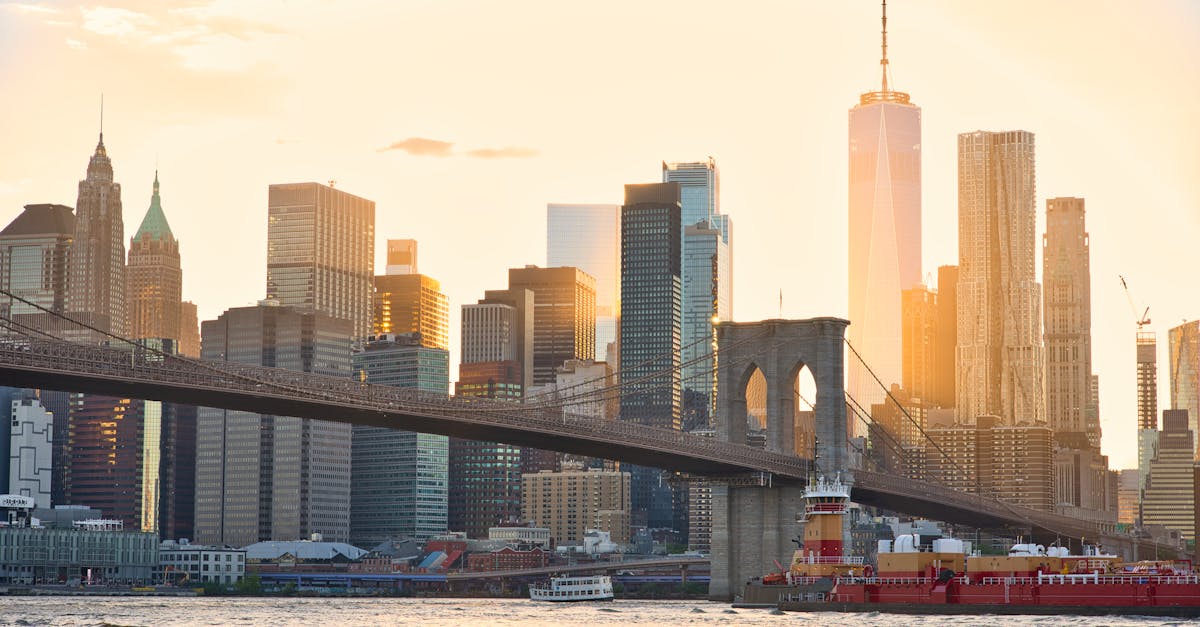
A stunning view of the Brooklyn Bridge and New York City's skyline at sunset.
DE flag
DE
US
US flag

Photos: Miguel Andres Parra, Federico Abis · Pexels

Can a German traveller work in the United States?

Most German travellers go through the embassy or consulate before they travel when heading to United States for work.

The route most travellers use is the H-1B Specialty Occupation. Stays of up to 1095 days, expect to pay around $675 in mandatory fees, processing usually takes 60–240 days.

The paperwork is heavy — approval is likely if your documents are in order.

5 other routes sit below if this one doesn't fit.

Straight from uscis.gov.

Work visas have major life consequences.

Long-stay visa decisions affect your right to live, work, study, or remain with family. Always verify with a qualified immigration adviser or the destination's embassy before making travel, employment, or relocation decisions.

6 options available — review and choose the one that matches your trip.

Embassy visaWork

H-1B Specialty Occupation

Max stay
1095days
Processing
60–240days
Fee
$675.00
Difficulty1/10·Realism9/10
Why? ▾

Difficulty

Heavy paperwork
1/10

Lots of documentation, eligibility thresholds, or a sponsor required. Start months ahead and consider professional advice.

Why this score?
  • Embassy/consulate visa application
  • +1Strong baseline access — visa-free tourism eases the application footprint
  • -2Long processing time (up to 240 days)
  • -0.5Biometrics appointment required
  • -0.5Moderate documentation list (6 items)
  • -1.5Sponsor licence required
  • -1Confirmed job offer required

Approval realism

Approval is likely
9/10

Most applicants with the right paperwork get approved.

What drives this score?
  • Embassy visa applications generally succeed when documentation is complete and ties to home are clear
  • +1.5Visa-free baseline access — approval rates are routinely high for this passport
  • +0.5Once a sponsor + job offer are secured, visa approval is generally routine

Work visa details

Sponsorship
Required
Sponsor type
Licensed employer
Job offer
Required
Permit length
1095 days
Path to settlement
No

Eligible occupations (sample)

Software developer / engineerData scientist / analystComputer systems analystFinancial analystAccountant / auditorMechanical / electrical / civil engineerArchitectDoctor / surgeon (with state license)University professorMathematician / statistician
Step-by-step checklist

Your application checklist

  1. 1

    Check your passport validity

    390+ days before

    Most countries require 6+ months of validity beyond your travel dates and at least one blank page. If it's close, renew before applying.

  2. 2

    Gather supporting documents

    374+ days before

    You'll need: Bachelor's degree (or equivalent) in a specialty occupation; Specialty-occupation job offer from a US employer; Approved Labor Condition Application (LCA) at the prevailing wage; Employer files Form I-129 petition with USCIS; and others (see full list above).

  3. 3

    Book a biometrics appointment (US embassy / consulate (interview + fingerprints))

    367+ days before

    Biometrics centres often have 1–3 week waitlists. Book the slot the moment your application is submitted, not after.

  4. 4

    Submit the application to the embassy or consulate

    360+ days before

    In person at the consulate with jurisdiction over your residence. Bring originals + photocopies of every document. Most consulates require a prior appointment.

  5. 5

    Track the application; print the approval

    7+ days before

    Decisions typically take 60–240 days. Print or save a clear PDF of the approved visa — airlines check this at check-in.

  6. 6

    On the day of travel

    day of travel

    Carry: passport (printed visa if applicable), onward ticket, proof of accommodation, proof of funds, travel insurance. Border officers retain discretion regardless of visa status.

Show full requirements, fees, and source
Passport valid 6+ monthsBiometrics (US embassy / consulate (interview + fingerprints))

What you need

  • Bachelor's degree (or equivalent) in a specialty occupation
  • Specialty-occupation job offer from a US employer
  • Approved Labor Condition Application (LCA) at the prevailing wage
  • Employer files Form I-129 petition with USCIS
  • Selection via the H-1B cap lottery (regular and master's exemption pools)
  • If outside US, consular processing at a US embassy after I-129 approval

Fee breakdown

  • Form I-129 base filing fee$460.00
  • MRV consular fee (visa stamping)$215.00
  • Premium Processing (optional, 15-day adjudication) (optional)$2,805.00
View primary source (uscis.gov)
Embassy visaWork

United States Gold Card (US$5M permanent-residency pathway)

Max stay
Processing
60–180days
Fee
$5,000,000.00
Difficulty3/10·Realism9/10
Why? ▾

Difficulty

Heavy paperwork
3/10

Lots of documentation, eligibility thresholds, or a sponsor required. Start months ahead and consider professional advice.

Why this score?
  • Embassy/consulate visa application
  • +1Strong baseline access — visa-free tourism eases the application footprint
  • -2Long processing time (up to 180 days)
  • -0.5Proof of funds required
  • -0.5Biometrics appointment required
  • -0.5Moderate documentation list (6 items)

Approval realism

Approval is likely
9/10

Most applicants with the right paperwork get approved.

What drives this score?
  • Embassy visa applications generally succeed when documentation is complete and ties to home are clear
  • +1.5Visa-free baseline access — approval rates are routinely high for this passport
Step-by-step checklist

Your application checklist

  1. 1

    Check your passport validity

    300+ days before

    Most countries require 6+ months of validity beyond your travel dates and at least one blank page. If it's close, renew before applying.

  2. 2

    Gather supporting documents

    284+ days before

    You'll need: US$5,000,000 payment to the United States government (non-refundable); Source-of-funds documentation showing the money was lawfully acquired; Standard US criminal-history and security background checks; Medical examination by a panel physician; and others (see full list above).

  3. 3

    Prepare proof of funds

    284+ days before

    Bank statements covering 3–6 months are standard. Include both savings and recent income flow — adjudicators look for stability, not just balance.

  4. 4

    Book a biometrics appointment (US embassy or consulate)

    277+ days before

    Biometrics centres often have 1–3 week waitlists. Book the slot the moment your application is submitted, not after.

  5. 5

    Submit the application to the embassy or consulate

    270+ days before

    In person at the consulate with jurisdiction over your residence. Bring originals + photocopies of every document. Most consulates require a prior appointment.

  6. 6

    Track the application; print the approval

    7+ days before

    Decisions typically take 60–180 days. Print or save a clear PDF of the approved visa — airlines check this at check-in.

  7. 7

    On the day of travel

    day of travel

    Carry: passport (printed visa if applicable), onward ticket, proof of accommodation, proof of funds, travel insurance. Border officers retain discretion regardless of visa status.

Show full requirements, fees, and source
Passport valid 6+ monthsProof of fundsBiometrics (US embassy or consulate)

What you need

  • US$5,000,000 payment to the United States government (non-refundable)
  • Source-of-funds documentation showing the money was lawfully acquired
  • Standard US criminal-history and security background checks
  • Medical examination by a panel physician
  • Not subject to any OFAC sanction or US-specific travel restriction
  • Tax: Gold Card holders pay US tax only on US-source income (vs. worldwide for green-card holders) — confirmed publicly though formal IRS guidance is pending

Fee breakdown

  • Gold Card programme fee — paid to the US government$5,000,000.00
  • Application processing & adjudication (typical legal-counsel range) (optional)$15,000.00
View primary source (uscis.gov)
Embassy visaWork

L-1 Intracompany Transferee — United States

Max stay
2555days
Processing
60–180days
Fee
$190.00
Difficulty3/10·Realism9/10
Why? ▾

Difficulty

Heavy paperwork
3/10

Lots of documentation, eligibility thresholds, or a sponsor required. Start months ahead and consider professional advice.

Why this score?
  • Embassy/consulate visa application
  • +1Strong baseline access — visa-free tourism eases the application footprint
  • -2Long processing time (up to 180 days)
  • -0.5Biometrics appointment required
  • -0.5Moderate documentation list (6 items)

Approval realism

Approval is likely
9/10

Most applicants with the right paperwork get approved.

What drives this score?
  • Embassy visa applications generally succeed when documentation is complete and ties to home are clear
  • +1.5Visa-free baseline access — approval rates are routinely high for this passport
Step-by-step checklist

Your application checklist

  1. 1

    Check your passport validity

    300+ days before

    Most countries require 6+ months of validity beyond your travel dates and at least one blank page. If it's close, renew before applying.

  2. 2

    Gather supporting documents

    284+ days before

    You'll need: Employed by a multinational company at a foreign branch for 1+ continuous year in past 3 years; Transferring to a US affiliate / subsidiary / parent of the same company; L-1A: executive or manager (up to 7 years); L-1B: specialised-knowledge employee (up to 5 years); and others (see full list above).

  3. 3

    Book a biometrics appointment (US embassy / consulate)

    277+ days before

    Biometrics centres often have 1–3 week waitlists. Book the slot the moment your application is submitted, not after.

  4. 4

    Submit the application to the embassy or consulate

    270+ days before

    In person at the consulate with jurisdiction over your residence. Bring originals + photocopies of every document. Most consulates require a prior appointment.

  5. 5

    Track the application; print the approval

    7+ days before

    Decisions typically take 60–180 days. Print or save a clear PDF of the approved visa — airlines check this at check-in.

  6. 6

    On the day of travel

    day of travel

    Carry: passport (printed visa if applicable), onward ticket, proof of accommodation, proof of funds, travel insurance. Border officers retain discretion regardless of visa status.

Show full requirements, fees, and source
Passport valid 6+ monthsBiometrics (US embassy / consulate)

What you need

  • Employed by a multinational company at a foreign branch for 1+ continuous year in past 3 years
  • Transferring to a US affiliate / subsidiary / parent of the same company
  • L-1A: executive or manager (up to 7 years)
  • L-1B: specialised-knowledge employee (up to 5 years)
  • Spouse on L-2 status with work authorisation
  • Path to EB-1C green card for L-1A executives

Fee breakdown

  • I-129 petition fee$190.00
  • Premium processing (15-day) (optional)$500.00
View primary source (travel.state.gov)
Embassy visaWork

O-1 Extraordinary Ability — United States

Max stay
1095days
Processing
14–90days
Fee
$460.00
Difficulty3/10·Realism9/10
Why? ▾

Difficulty

Heavy paperwork
3/10

Lots of documentation, eligibility thresholds, or a sponsor required. Start months ahead and consider professional advice.

Why this score?
  • Embassy/consulate visa application
  • +1Strong baseline access — visa-free tourism eases the application footprint
  • -2Long processing time (up to 90 days)
  • -0.5Biometrics appointment required
  • -0.5Moderate documentation list (6 items)

Approval realism

Approval is likely
9/10

Most applicants with the right paperwork get approved.

What drives this score?
  • Embassy visa applications generally succeed when documentation is complete and ties to home are clear
  • +1.5Visa-free baseline access — approval rates are routinely high for this passport
Step-by-step checklist

Your application checklist

  1. 1

    Check your passport validity

    165+ days before

    Most countries require 6+ months of validity beyond your travel dates and at least one blank page. If it's close, renew before applying.

  2. 2

    Gather supporting documents

    149+ days before

    You'll need: Evidence of extraordinary ability — major award (Nobel, Olympic gold, Oscar) OR 3 of 8 criteria (national prize, press coverage, judging others' work, original contributions, scholarly articles, high salary, lead/critical role, commercial success); Sponsoring US employer or agent files Form I-129; Consultation letter from a peer / labor union in your field; Itinerary of work or events; and others (see full list above).

  3. 3

    Book a biometrics appointment (US embassy / consulate)

    142+ days before

    Biometrics centres often have 1–3 week waitlists. Book the slot the moment your application is submitted, not after.

  4. 4

    Submit the application to the embassy or consulate

    135+ days before

    In person at the consulate with jurisdiction over your residence. Bring originals + photocopies of every document. Most consulates require a prior appointment.

  5. 5

    Track the application; print the approval

    7+ days before

    Decisions typically take 14–90 days. Print or save a clear PDF of the approved visa — airlines check this at check-in.

  6. 6

    On the day of travel

    day of travel

    Carry: passport (printed visa if applicable), onward ticket, proof of accommodation, proof of funds, travel insurance. Border officers retain discretion regardless of visa status.

Show full requirements, fees, and source
Passport valid 6+ monthsBiometrics (US embassy / consulate)

What you need

  • Evidence of extraordinary ability — major award (Nobel, Olympic gold, Oscar) OR 3 of 8 criteria (national prize, press coverage, judging others' work, original contributions, scholarly articles, high salary, lead/critical role, commercial success)
  • Sponsoring US employer or agent files Form I-129
  • Consultation letter from a peer / labor union in your field
  • Itinerary of work or events
  • Renewable indefinitely in 1-year increments — no annual cap, no lottery
  • Spouse + children eligible for O-3 dependents

Fee breakdown

  • Form I-129 filing fee (small employer)$460.00
  • Premium Processing (15-day decision) (optional)$280.50
View primary source (uscis.gov)
Embassy visaWork

E-2 Treaty Investor — United States

Max stay
730days
Processing
30–120days
Fee
$315.00
Difficulty2/10·Realism9/10
Why? ▾

Difficulty

Heavy paperwork
2/10

Lots of documentation, eligibility thresholds, or a sponsor required. Start months ahead and consider professional advice.

Why this score?
  • Embassy/consulate visa application
  • +1Strong baseline access — visa-free tourism eases the application footprint
  • -2Long processing time (up to 120 days)
  • -0.5Proof of funds required
  • -0.5Biometrics appointment required
  • -1Long documentation list (7 items)

Approval realism

Approval is likely
9/10

Most applicants with the right paperwork get approved.

What drives this score?
  • Embassy visa applications generally succeed when documentation is complete and ties to home are clear
  • +1.5Visa-free baseline access — approval rates are routinely high for this passport
Step-by-step checklist

Your application checklist

  1. 1

    Check your passport validity

    210+ days before

    Most countries require 6+ months of validity beyond your travel dates and at least one blank page. If it's close, renew before applying.

  2. 2

    Gather supporting documents

    194+ days before

    You'll need: National of a country with a qualifying treaty of commerce and navigation with the US; Substantial investment in a real, operating US enterprise (typically $100k+, but no statutory minimum); Investor must own 50%+ of the business or have operational control; Business must generate more than minimal income (not 'marginal') — usually employing US workers; and others (see full list above).

  3. 3

    Prepare proof of funds

    194+ days before

    Bank statements covering 3–6 months are standard. Include both savings and recent income flow — adjudicators look for stability, not just balance.

  4. 4

    Book a biometrics appointment (US embassy / consulate)

    187+ days before

    Biometrics centres often have 1–3 week waitlists. Book the slot the moment your application is submitted, not after.

  5. 5

    Submit the application to the embassy or consulate

    180+ days before

    In person at the consulate with jurisdiction over your residence. Bring originals + photocopies of every document. Most consulates require a prior appointment.

  6. 6

    Track the application; print the approval

    7+ days before

    Decisions typically take 30–120 days. Print or save a clear PDF of the approved visa — airlines check this at check-in.

  7. 7

    On the day of travel

    day of travel

    Carry: passport (printed visa if applicable), onward ticket, proof of accommodation, proof of funds, travel insurance. Border officers retain discretion regardless of visa status.

Show full requirements, fees, and source
Passport valid 6+ monthsProof of fundsBiometrics (US embassy / consulate)

What you need

  • National of a country with a qualifying treaty of commerce and navigation with the US
  • Substantial investment in a real, operating US enterprise (typically $100k+, but no statutory minimum)
  • Investor must own 50%+ of the business or have operational control
  • Business must generate more than minimal income (not 'marginal') — usually employing US workers
  • Funds at risk and committed (in escrow doesn't count; must be already invested)
  • Source-of-funds documentation traceable back to lawful origin
  • Renewable indefinitely in 2-year increments as long as the business stays operational

Fee breakdown

  • DS-160 + E-2 issuance fee$315.00
View primary source (travel.state.gov)
Embassy visaWork

EB-5 Immigrant Investor — United States

Max stay
9999days
Processing
365–1095days
Fee
$59,000.00
Difficulty2/10·Realism9/10
Why? ▾

Difficulty

Heavy paperwork
2/10

Lots of documentation, eligibility thresholds, or a sponsor required. Start months ahead and consider professional advice.

Why this score?
  • Embassy/consulate visa application
  • +1Strong baseline access — visa-free tourism eases the application footprint
  • -2Long processing time (up to 1095 days)
  • -0.5Proof of funds required
  • -0.5Biometrics appointment required
  • -1Long documentation list (7 items)

Approval realism

Approval is likely
9/10

Most applicants with the right paperwork get approved.

What drives this score?
  • Embassy visa applications generally succeed when documentation is complete and ties to home are clear
  • +1.5Visa-free baseline access — approval rates are routinely high for this passport
Step-by-step checklist

Your application checklist

  1. 1

    Check your passport validity

    1673+ days before

    Most countries require 6+ months of validity beyond your travel dates and at least one blank page. If it's close, renew before applying.

  2. 2

    Gather supporting documents

    1657+ days before

    You'll need: Invest $800k (Targeted Employment Area / rural) or $1,050k (standard) in a new US commercial enterprise; Investment must create or preserve 10 full-time US jobs within 2 years; Source-of-funds documentation traceable back to lawful origin (tax returns, bank records, gift letters); Form I-526E petition filed (Reform Act 2022 enables concurrent filing of I-526E and I-485 if in the US); and others (see full list above).

  3. 3

    Prepare proof of funds

    1657+ days before

    Bank statements covering 3–6 months are standard. Include both savings and recent income flow — adjudicators look for stability, not just balance.

  4. 4

    Book a biometrics appointment (US embassy / consulate)

    1650+ days before

    Biometrics centres often have 1–3 week waitlists. Book the slot the moment your application is submitted, not after.

  5. 5

    Submit the application to the embassy or consulate

    1643+ days before

    In person at the consulate with jurisdiction over your residence. Bring originals + photocopies of every document. Most consulates require a prior appointment.

  6. 6

    Track the application; print the approval

    7+ days before

    Decisions typically take 365–1095 days. Print or save a clear PDF of the approved visa — airlines check this at check-in.

  7. 7

    On the day of travel

    day of travel

    Carry: passport (printed visa if applicable), onward ticket, proof of accommodation, proof of funds, travel insurance. Border officers retain discretion regardless of visa status.

Show full requirements, fees, and source
Passport valid 6+ monthsProof of fundsBiometrics (US embassy / consulate)

What you need

  • Invest $800k (Targeted Employment Area / rural) or $1,050k (standard) in a new US commercial enterprise
  • Investment must create or preserve 10 full-time US jobs within 2 years
  • Source-of-funds documentation traceable back to lawful origin (tax returns, bank records, gift letters)
  • Form I-526E petition filed (Reform Act 2022 enables concurrent filing of I-526E and I-485 if in the US)
  • Conditional 2-year green card issued; file I-829 in months 21-24 to remove conditions
  • Investment must remain 'at risk' for the conditional period
  • Spouse + unmarried children under 21 derive status

Fee breakdown

  • Form I-526E filing fee$11,175.00
  • EB-5 Integrity Fund fee$325.00
  • Investment (rural / TEA minimum)$47,500.00
View primary source (uscis.gov)

What you'll need

Work visa for United States

Specific to German passport holders.

Start ~0–13 weeks before your intended travel date.

Order these first — they have the longest lead time

  • Employer sponsorship / CoS

    Purpose evidence2–13 weeks

    A Certificate of Sponsorship (UK), Labour Market Impact Assessment (Canada), Form I-129 (US H-1B), or equivalent. The sponsor obtains this; you receive a reference number.

    How: Your employer applies to the destination's immigration authority. You can't start without their reference number.

  • Education credentials evaluation

    Credentials4–12 weeks

    WES (Canada/US), ECE, IQAS, UK ENIC, or the destination's local equivalent — converts your foreign degree to the local framework.

    How: Order online; allow 4–10 weeks. Request your university to send transcripts directly to the assessor.

  • English- / language-proficiency test

    Credentials3–9 weeks

    IELTS, TOEFL, PTE, DELE, TestDaF, JLPT — depending on the destination. Most have minimum scores per visa class.

    How: Book on the test provider's site. Test slots typically 2–4 weeks out; results 5–15 days after the test.

  • Valid passport

    Identity1–6 weeks

    Most countries require your passport to be valid for at least six months beyond your departure date, with two or more blank pages.

    How: Renew at your Bürgeramt / Bürgerbüro — 3–6 weeks standard, 1–2 weeks express (€32 extra).

  • Police certificate

    Background1–4 weeks

    A criminal-record clearance from every country you've lived in for 6+ months in the past 10 years. Universally required for work, study, family and PR routes.

    How: Führungszeugnis (Certificate of Good Conduct) — request at your local Bürgeramt; arrives by post in 2–3 weeks.

  • Medical examination

    Medical1–4 weeks

    Conducted by a panel physician approved by the destination's immigration authority. Includes chest X-ray, blood tests, and an interview.

    How: Book directly with a panel physician — find them on the destination's immigration website.

  • Apostille / certified document copies

    Credentials1–4 weeks

    Hague Apostille on civil documents (birth, marriage, education certificates) for countries that recognise the convention. Other countries require consular legalisation instead.

    How: US: state Secretary of State or US State Dept. UK: FCDO Legalisation Office. Other: ministry of foreign affairs of the issuing country.

Then gather these

  • Biometrics (fingerprints + photo)

    Background1–4 weeks

    Captured at a Visa Application Centre (VFS, BLS, TLScontact). Walk-in is rarely possible — appointment slots fill up.

    How: Book on the VAC website after submitting your online application.

  • CV / résumé and work history

    Purpose evidence1–3 weeks

    Up-to-date résumé covering at least your last 10 years of employment. Some routes (Canada Express Entry, Australia points) require reference letters with hours per week.

    How: Self-prepared. Get reference letters from past employers on letterhead, signed.

  • Signed job offer

    Purpose evidence0–2 weeks

    A signed contract or offer letter from a sponsoring employer. Required for every work-route visa worldwide.

    How: Issued by the sponsoring employer once you've accepted.

  • Certified translation of documents

    Credentials1–2 weeks

    If your documents are not in the destination's official language, you may need a sworn or certified translator.

    How: ATA-certified (US) / ITI-qualified (UK) translators, or a sworn translator registered with the destination's consulate.

  • Proof of funds (long-stay)

    Financial1–2 weeks

    Country-specific minimum savings — e.g. ~CAD 14,000 (Canada study/work permits, single applicant), ~£1,334/month + £8,000 reserve (UK family), proof of income for digital-nomad routes.

    How: Bank statements going back 3–6 months, sometimes a sworn affidavit of support from a sponsor.

  • Passport-style photograph

    Identity1–3 days

    A recent biometric photo to the destination's specifications. Most consulates require their own dimensions, not your home country's.

    How: Any high-street photo studio, or app-based services that meet ICAO 9303 spec.

  • Online visa application form

    Application1–3 days

    The destination's online form (DS-160 for US, gov.uk for UK, IRCC portal for Canada, ImmiAccount for Australia, e-Visa portal for most others).

    How: Apply directly on the destination government website — never via a third-party paid service.

  • Application fee payment

    Application1 day

    Payable to the destination government directly. Fees range from ~$25 (e-Visas) to $2,500+ (US EB-1).

    How: Card payment on the destination's portal. Receipt required for the application.

Lead times are global averages. Country-specific channels can be faster (FBI Channeler in days vs FBI Mail in months) — always check the destination's embassy or visa portal for current timelines.

Make your case

★ Hand-written for this route

Tailored guidance — German applying for a work visa to United States

The same things a £1,000 immigration consultation would tell you — what evidenceUnited States's caseworkers actually weight, a personal-statement skeleton you can adapt to United States's framing, common mistakes that get german applications refused, and when it's worth hiring a lawyer.

What caseworkers actually weight

  1. 1

    Visa class fit — H-1B vs L-1 vs O-1 vs E-2

    Germans use multiple US work routes. H-1B (cap-subject lottery in March, 85k slots, $215 registration + $780+ filing) requires a US employer petition and Bachelor's-degree-equivalent role. L-1A/B (intracompany transfer) bypasses the lottery — useful if you've worked 1+ years at a German parent company with a US subsidiary. E-2 Treaty Investor (under the 1954 US-Germany Treaty of Friendship) needs a substantial German investment in a US business (~$100k+ typical, no statutory minimum). O-1 (extraordinary ability) is for senior scientists/executives — Max Planck, Fraunhofer, or DAX board members are typical fits.

  2. 2

    PERM Labor Certification for green card sponsorship

    Most Germans aim for EB-2 or EB-3 green cards through PERM — the US employer recruits the role for 30 days proving no qualified US worker. PERM processing currently 6-12 months (PERM Online filing FY2024). Germans are 'current' in EB categories with no per-country backlog — unlike Indian or Chinese applicants, you can adjust status as soon as PERM and I-140 are approved.

  3. 3

    DS-160 + German Apostille + ZAB-equivalence for US credential

    DS-160 online application, then book DS-160 interview at US Consulate General Frankfurt (largest in Europe), Munich, or Berlin. German degree certificates need Apostille from the issuing state's Bezirksregierung (Hague Convention). For US licensure (medicine, nursing, teaching) use WES, ECE, or AICE foreign credential evaluations; ZAB-equivalence is German-side, not accepted by US licensing boards.

  4. 4

    US-Germany Totalization & tax treaty — keep Rentenversicherung clean

    Under the 1979 Totalization Agreement get a Bescheinigung von der Deutschen Rentenversicherung (CoC) before assignment if temporary (<5 years) — keeps you on Rentenversicherung, exempt from US Social Security. Beyond 5 years you flip to US Social Security with German-paid contributions counted toward eventual US benefits. Tax treaty (1989, protocol 2007) prevents double-tax on salary; file Form 8833 to claim treaty benefits and Form 8938 for German account reporting once a US tax resident.

Personal-statement skeleton

Fill in each section with your own facts, dates, and details. The structure mirrors what caseworkers expect to find.

  1. Why the US over remaining in EU / DACH region

    Concrete reasons US officers reward: specific industry depth (Silicon Valley for AI/biotech, NYC for finance, Boston for pharma, LA for entertainment, Houston for energy), specific employer (FAANG, named startup, named research institution), specific funding (named US VC, named angel for E-2). Germans applying with 'better salary' as the only reason get scrutinised — talk about market access, US capital markets, or specific projects.

  2. Your German employer / project history

    List your German employer chronologically, role, salary band (in EUR with USD equivalent at filing date), German social insurance number (Sozialversicherungsnummer) — needed for some petition supporting documents. If transferring within a company (L-1) document the German parent-US subsidiary relationship (Qualifying Organization).

  3. US-tied funding (E-2) or US-tied sponsor (H-1B/L-1)

    For E-2: source-of-funds trail in EUR converted to USD — German salary savings, family gifts (with notarised Schenkungsvertrag), business sale proceeds. For H-1B/L-1: US employer is the petitioner; describe the role, the team, the specific reason your German background is essential vs hiring a US worker.

  4. Family + dependants

    Spouse on L-2 gets automatic work authorisation (no EAD wait since 2023 rule change). H-4 spouse needs EAD; H-4 children under 21 are dependent only. State whether spouse is EU citizen (faster paperwork) or third-country national (separate H-4/L-2 derivative). For E-2, dependants get E-2D with similar work rights for spouse.

Mistakes that cost real money

  • Apply at US Consulate Frankfurt — slot availability is usually faster than Munich or Berlin; you can apply at any of the 4 German consulates regardless of residence
  • DS-160 fee is $185 (H-1B/L-1) or $315 (E-2 treaty); reciprocity fee is $0 for Germans (treaty country) — don't fall for 'visa expediters' charging $500
  • Use the WES iGPA Calculator (free) to estimate US-equivalent grades before paying for the full evaluation; some US employers accept self-attested transcripts at offer stage
  • Don't break out of Rentenversicherung when leaving DE — under the Totalization Agreement you can reactivate it later, and the contribution years count toward German Altersrente even if you naturalise as American
  • Open a US-domiciled bank account with Wise USD or Mercury before relocation — avoids SWIFT remittance fees on your first US payroll
  • Use the German Embassy's free notary service in DC, SF, NYC, Boston, Houston, Atlanta, Chicago, LA, Miami for any German power-of-attorney needed for German banking / property — saves $200+ at US public notaries
  • Defer German pension partial-withdrawal until you confirm US tax residency — early withdrawal triggers DE Vorruhestand penalty and US ordinary income tax

DIY or hire a lawyer?

✓ DIY is fine if

  • Standard H-1B with named US employer, clean record, clear Bachelor's
  • L-1 intracompany transfer with documented 12-month qualifying employment at the German parent
  • DS-160 interview prep and document gathering
  • Spouse / dependent derivative applications (H-4, L-2, E-2D)
  • Renewal of existing H-1B / L-1 at any of the 4 German consulates during home leave

⚠ Get a specialist if

  • E-2 Treaty Investor — substantiality, source-of-funds, and 'real and operating' enterprise tests are highly evidentiary
  • EB-1A / EB-1B / O-1 — 'extraordinary ability' criteria need strategic petition drafting
  • PERM with prevailing wage challenges or recruitment results showing qualified US workers
  • Prior US visa refusal (any type) or US overstay (even <180 days carries 3-year bar implications)
  • German criminal record — Führungszeugnis disclosure to USCIS / DOS, even if minor, needs framing
  • Concurrent EU and US tax residency (Wegzugsbesteuerung exit tax implications if leaving DE with substantial holdings)
  • Spouse from a third country (not US or EU) — derivative visa coordination across jurisdictions
  • Active asylum / refugee status in Germany — disclose to US consulate carefully
This guidance is general — not legal advice. For high-stakes routes (refusal history, criminal record, complex finances), spend the money on a qualified immigration adviser regulated by your destination (UK: OISC / SRA; AU: MARA; US: bar-admitted attorney).

Email me if United States's policy changes

ONE email when the rules change for German travellers. No account, no marketing.

Other visa types for this route

We also have data on these visa categories between DE and US.

Related routes

Compare other work-visa routes

Sources & references

Every link below is a primary government source. We aggregate; the source is the authority. If anything on this page disagrees with a link below, the link wins.

Sponsored

While you're sorting your trip to United States

We earn a small commission on bookings made via these links — it helps keep the visa tool free. The visa info above is independent of any partner. Our commercial policy →

Browse other destinations

Where can German passport holders go?

Other passports visiting United States

Who needs a visa for United States?

Informational only. A valid visa permits entry subject to officer discretion at the border. Always verify with the destination's embassy or official source before travel, employment, or relocation.